


قصر خزام.. المقر الملكي خارج أسوار جدة القديمة
يعتبر قصر خزام التاريخي واحداً من أهم المعالم الأثرية والتاريخية في المملكة العربية السعودية، وتحديداً في عروس البحر الأحمر، محافظة جدة. أمضى الملك عبدالعزيز بن عبدالرحمن آل سعود -طيب الله ثراه- جانباً مهماً من حياته العملية والسياسية في هذا القصر، الذي شكل نقطة تحول في تاريخ الدولة السعودية الحديثة.
جاء بناء القصر في فترة دقيقة من تاريخ المملكة، تزامنت مع توحيد البلاد. فبعد أن أقام الملك المؤسس لفترة في “بيت نصيف” الشهير داخل المنطقة التاريخية، برزت الحاجة إلى مقر حكم واسع ومستقل خارج أسوار مدينة جدة القديمة، ليكون ديواناً ملكياً يليق باستقبال ضيوف الدولة من الملوك والرؤساء، وكبار المسؤولين، والوفود الدبلوماسية، إلى جانب استقبال عامة الشعب وتلمس احتياجاتهم.
التصميم المعماري ومراحل البناء
صدر أمر الملك عبدالعزيز ببناء القصر في عام 1928م، واستغرق العمل فيه نحو خمسة أعوام حتى اكتمل بشكله النهائي في عام 1932م. وترجع تسمية “خزام” إلى انتشار نبات الخزامى (اللافندر) العطري في تلك المنطقة الطبيعية قبل البناء.
يتميز القصر بتصميم معماري فريد يجمع بين الأصالة والتطور. شُيد باستخدام الأحجار الجيرية الصلبة المقطوعة من ساحل البحر الأحمر (المعروفة محلياً بحجر المنقبي)، وهي المادة الأساسية للبناء في جدة قديماً. كما دمجت مواد حديثة نسبياً في تلك الحقبة مثل البطحاء، الإسمنت، الرمل، حديد التسليح، والأخشاب، مما يعكس التسلسل العمراني والتطور الفني المرتبط بنشأة الدولة.
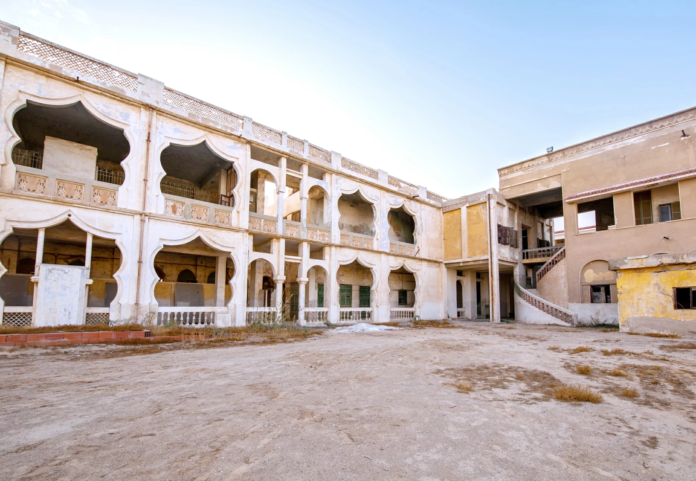
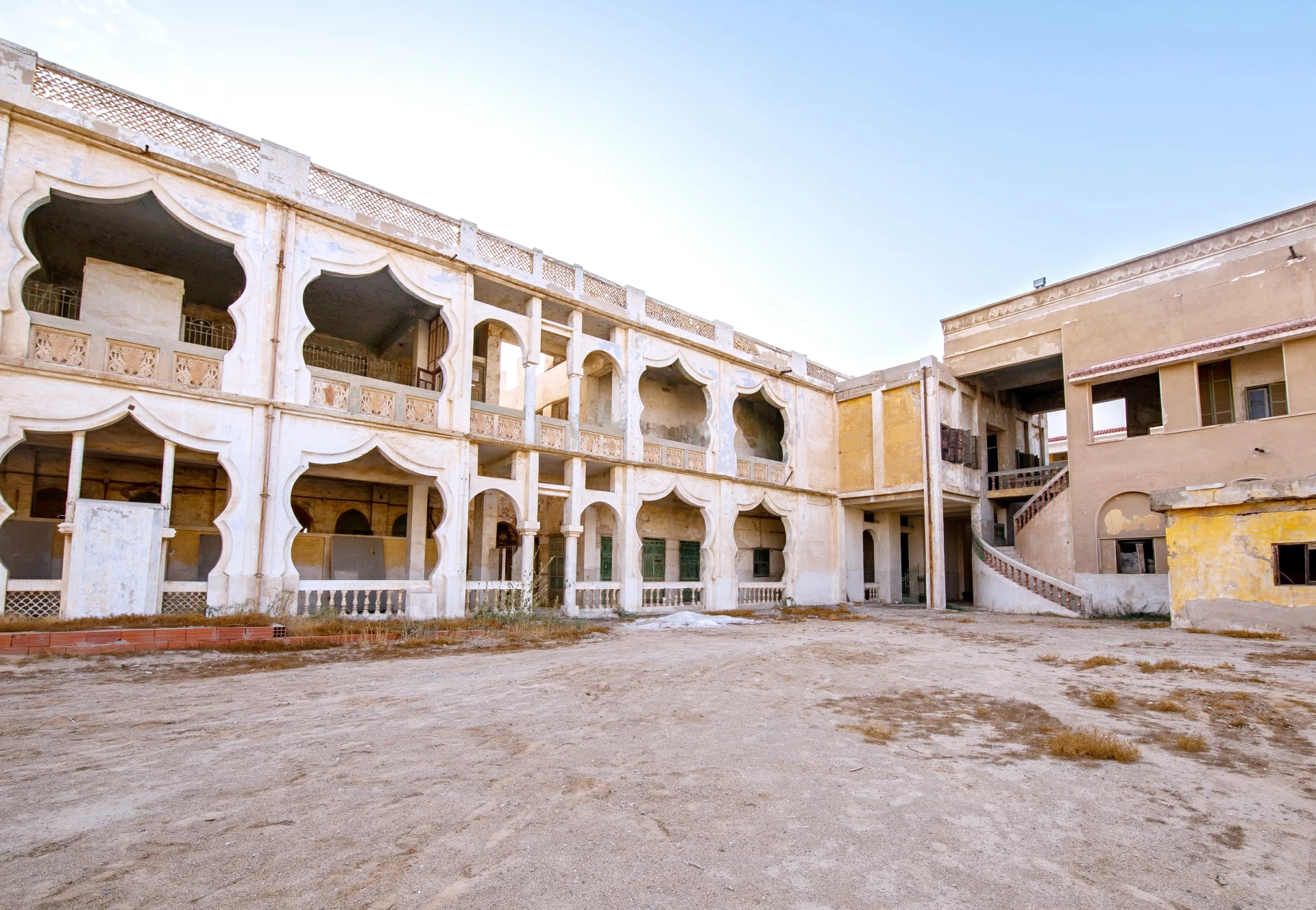
يتكون القصر من طابقين وملحقات في الجهتين الجنوبية والغربية، ويحيط به سور بارتفاع ثلاثة أمتار. ويضم ثلاث واجهات رئيسية: الجنوبية تطل على حي النزلة اليمانية، والشمالية على مصلى العيد، والغربية على منطقة السبيل. وللقصر بوابة رئيسية كبرى تفتح شمالاً نحو طريق مكة، وتتميز ببرجين متقابلين متشابهين في الزخرفة، وبوابة صغرى تفتح على طريق الملك خالد.
الأهمية السياسية والاقتصادية: مهد النفط السعودي
اكتسب قصر خزام أهمية سياسية واقتصادية بالغة على المستويين المحلي والدولي. فقد شهدت أروقته توقيع العديد من الاتفاقيات والمعاهدات والمذكرات السياسية التي رسمت مستقبل المملكة. ولعل الحدث الأبرز والأكثر تأثيراً في تاريخ الاقتصاد العالمي هو توقيع أول اتفاقية امتياز للتنقيب عن البترول في عام 1933م بين الحكومة السعودية وشركة “ستاندرد أويل أوف كاليفورنيا” (سوكال)، وهي الاتفاقية التي مهدت لاكتشاف النفط بكميات تجارية، مما أحدث نقلة نوعية كبرى في اقتصاد المملكة والمنطقة بأسرها.
قصر خزام في عهد الملك سعود والتحول لمتحف وطني
لم تتوقف أهمية القصر برحيل الملك المؤسس، بل استمر في أداء دوره الحيوي. فقد استخدمه الملك سعود بن عبدالعزيز -رحمه الله- كمكاتب إدارية حتى عام 1963م، وضمه إلى قصور الضيافة الملكية مع إضافة مرافق جديدة. وتخليداً لمكانته الوطنية، طُبعت صورة بوابته الرئيسية على العملة الورقية السعودية في عام 1955م.
في العصر الحديث، انتقلت إدارة القصر إلى وكالة الآثار والمتاحف بوزارة المعارف (سابقاً)، التي أدركت قيمته التراثية. خضع القصر لعمليات ترميم دقيقة روعي فيها الحفاظ على طابعه المعماري الأصيل، وافتتح رسمياً في مارس 1995م كمتحف إقليمي. تم تجهيزه بأحدث أساليب العرض المتحفي ليضم مقتنيات تمثل مختلف العصور التاريخية، بدءاً من عصور ما قبل الإسلام، مروراً بالعصور الإسلامية، وصولاً إلى توحيد المملكة، ليبقى قصر خزام منارة ثقافية تروي قصة بناء وطن.
Historic Al Khuzam Palace in Jeddah: The Founder’s Diwan and a Witness to Major Transformations
Al Khuzam Palace stands as one of the most important historical and archaeological landmarks in the Kingdom of Saudi Arabia, specifically in Jeddah. King Abdulaziz bin Abdulrahman Al Saud spent a significant part of his political and practical life in this palace, which marked a turning point in the history of the modern Saudi state.
The construction of the palace came during a critical period in the Kingdom’s history, coinciding with the unification of the country. After the founding King stayed for a period in the famous “Naseef House” inside the historical area, there was a need for a spacious and independent headquarters outside the old walls of Jeddah. It was designed to be a royal diwan worthy of receiving state guests, including kings, presidents, senior officials, diplomatic delegations, and the general public.
King Abdulaziz ordered the construction of the palace in 1928, and it took about five years to complete in 1932. The name “Khuzam” originates from the widespread presence of aromatic lavender plants in that natural area before construction.
The palace features a unique architectural design that combines authenticity and development. It was built using hard limestone cut from the Red Sea coast, the primary building material in old Jeddah, alongside other materials like gravel, cement, sand, reinforcing steel, and wood. The palace consists of two floors and annexes on the southern and western sides, surrounded by a three-meter-high wall. It has three main facades and features a grand main gate opening north towards Mecca Road, distinguished by two facing towers, and a smaller gate opening onto King Khalid Road.
Al Khuzam Palace gained immense political and economic significance locally and internationally. Its halls witnessed the signing of numerous agreements, treaties, and political memoranda that shaped the Kingdom’s future. The most prominent event, which profoundly impacted the global economy, was the signing of the first oil exploration concession agreement in 1933 between the Saudi government and the Standard Oil Company of California (Socal). This historic agreement paved the way for the discovery of commercial oil and transformed the region’s economy.
The palace’s importance continued after the founder’s passing. King Saud used it as administrative offices until 1963, adding it to the royal guest palaces. To immortalize its status, the image of its main gate was printed on Saudi banknotes in 1955.
In the modern era, the palace was transferred to the Antiquities and Museums Agency. It underwent meticulous restoration to preserve its original architectural character and was officially opened in March 1995 as a regional museum. It is equipped with exhibits representing various historical eras, from pre-Islamic times through the Islamic eras to the unification of the Kingdom, remaining a cultural beacon that tells the story of a nation’s building.

